
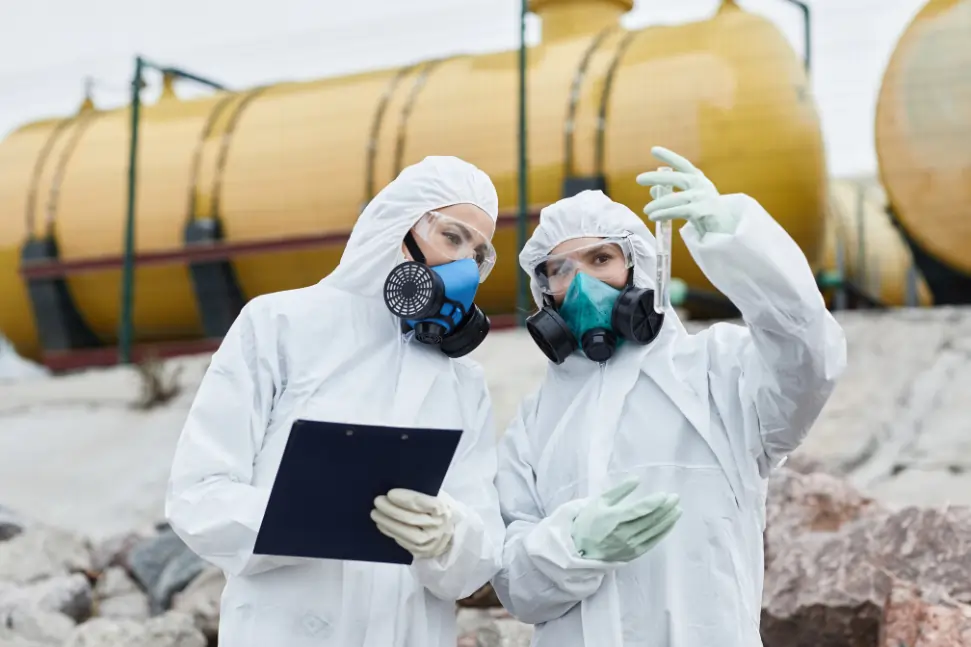
Safety First: The Real Guide to Chemical Safety in the Workplace
Handling hazardous substances isn’t just about wearing a pair of gloves and hoping for the best. In the high-stakes laboratories of the UAE, a single oversight can lead to catastrophic results. Whether you’re dealing with volatile solvents or corrosive reagents, understanding the fundamentals of chemical safety in the workplace is the difference between a productive day and a trip to the emergency room.
At Saffron Chemicals, we know that a safe lab is an efficient lab. It’s not about ticking a box for compliance; it’s about protecting the people behind the research. Let’s break down the essential protocols that keep your team safe and your facility running smoothly.
Table Of Contents:
Why Does a Chemical Hygiene Plan Matter?
A Chemical Hygiene Plan (CHP) is your laboratory’s safety manual. It outlines the specific procedures, equipment, and work practices that protect employees from the health hazards presented by hazardous chemicals in that particular workplace. Without one, you’re just guessing.
In the UAE, where ambient temperatures can fluctuate and affect chemical stability, your CHP needs to be airtight. It should include clear instructions on how to handle spills, how to store reactive substances, and what to do in an emergency. If your team doesn’t know the plan by heart, it isn’t working.
How Do You Store Hazardous Chemicals Correctly?
Storage is where most accidents start. It’s tempting to group everything by size or frequency of use, but that’s a recipe for a dangerous reaction. You must segregate chemicals based on compatibility.
Keep acids away from bases. Keep flammables far from oxidizers. In the UAE climate, temperature control is also a massive factor. Volatile chemicals should always be stored in ventilated, fire-rated cabinets away from direct sunlight and heat sources. If you’re keeping reactive chemicals on the floor or in unlabelled containers, you’re inviting a spill.
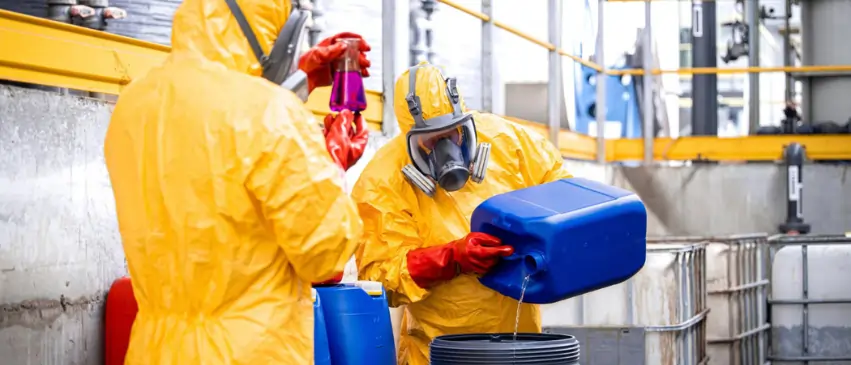
Is Your PPE Actually Protecting You?
The short answer? Only if it’s the right gear for the job. Many researchers assume a standard lab coat is a universal shield. It isn’t. A cotton coat can actually absorb liquid chemicals and hold them against your skin, causing severe burns.
You need a personal protective equipment (PPE) list tailored to your specific hazards. This includes nitrile or neoprene gloves for chemical resistance, splash-proof goggles, and respirators if you’re dealing with harmful vapors. Remember, PPE is your last line of defense, not your only one.
What Are the Keys to Safe Chemical Handling?
Safe handling starts before you even open the bottle. Always read the Safety Data Sheet (SDS) first. It contains everything you need to know about the substance’s hazards, handling requirements, and emergency measures.
Never work alone when handling high-risk or reactive chemicals. Ensure your workspace is well-ventilated—use a fume hood for anything that produces fumes or dust. When transferring liquids, use funnels and secondary containment to prevent drips from reaching the bench. It sounds basic, but these small habits save lives.
How Do You Manage a Chemical Spill?
Even the best-run labs have accidents. The key is how you respond. Every laboratory in the UAE should have a fully stocked chemical spill kit that is easily accessible.
If a spill happens, alert your coworkers immediately. If the substance is hazardous or the spill is large, evacuate the area. For smaller, manageable spills, use the appropriate neutralizers or absorbent materials found in your kit. Never wash chemicals down the common sewerage; follow local Sharjah or Dubai regulations for hazardous waste disposal.
Final Thoughts
Building a culture of safety isn’t a one-time event. It’s a daily commitment to following protocols and respecting the materials you work with. When you prioritize chemical safety in the workplace, you aren’t just following the law—you’re ensuring every researcher goes home safe.
FAQ
No. Nitrile works for many things, but some solvents will eat right through it in seconds. Check a glove compatibility chart before you start.
It’s a bad habit. Fume hoods are for working, not storage. Crowding them with bottles messes with the airflow and makes the hood less effective at protecting you.
Weekly. You don’t want to find out it’s clogged or the water is rusty when you actually have acid in your eye. Flush it regularly to keep it ready.
If it’s a new chemical or a new concentration, yes. Formulations change, and your memory might miss a crucial storage requirement or a specific first-aid step.