

The Ultimate Guide to Chemical Safety in Laboratories
It is not merely a regulation but a promise to each individual within the lab and to the surrounding area that one will work safely with chemicals. This is the guide that will take you through the most critical safety practices, which will be explained in a simple step-by-step manner.
Table of Contents
- Importance of Chemical Safety
- Key Regulations Prior to the Commencement of Any Work
- Personnel Protection Gear (PPE) & Handling Safety
- Proper Chemical Storage and Labeling
- Safe Use of Equipment, Ventilation, and Glassware
- Waste Management: Disposal Practices
- Emergency Preparedness: Spills, Fires, Exposure
- Lab Housekeeping / Good Habits
- Real-Life Case: What Could Go Wrong?
- Conclusions and Receiving the Right Supplies
- FAQ
Importance of Chemical Safety
- Any chemical, even a basic reagent, may be hazardous: spills, burns, inhalation risks, and reactions.
- A secure lab not only benefits the researchers, students, or visitors but also prevents accidents that may stop the project or cause injuries to people.
- Safety habits are also good for protecting the environment and aid in adhering to regulations.
Key Regulations Prior to the commencement of any work
- Always carry out a reading of the safety sheet or instructions of the chemical before touching. It is important to know the hazards of a substance.
- When dealing with dangerous or reactive chemicals, never work alone. The presence of someone ensures that one has someone to assist when things go wrong.
- Do not place food, beverages, or cosmetics in the lab. This will prevent unintentional consumption or contamination.
Personnel Protection Gear (PPE) & Handling Safety
- Wear long hair tied up at the back of the head, and do not wear ornaments or loose clothes when working.
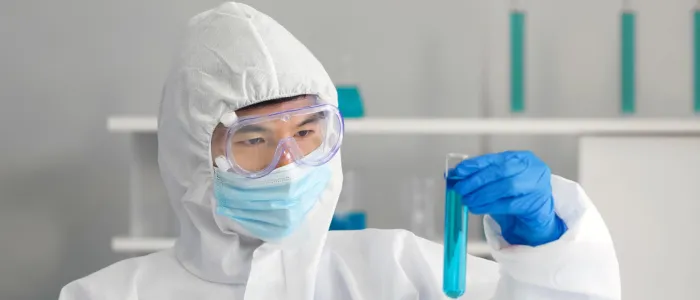
- Put on safety goggles or face shields when there is a chance of any splashes, vapours, or flying fragments.
- Wear the right gloves in the case of most chemicals, nitrile or neoprene gloves can be used. Where the chemicals are corrosive or reactive, choose gloves of that type.
- Wear a lab coat or chemical-resistant apron and closed-toe shoes always. Wear no sandals or open shoes, or loose clothing that will trap a spill or fire.
Proper chemical storage and labelling
- Label all containers properly with the full name of the chemical, concentration (where applicable), and danger signs. No use of general terms or merely formula abbreviations.
- Sort the chemicals in the store according to their compatibility: acids and bases are to be separated, flammable chemicals should not be near oxidisers, and reactive chemicals should not be mixed with others.
- Use of sealed containers is suggested. Do not leave bottles open or uncovered, or keep chemicals on the floor; this will create more spill chances.
- Store volatile or flammable chemicals in ventilated or fire-rated cabinets away from heat sources.
Safe use of equipment, ventilation, and Glassware
- When working with volatile or toxic material, always use a fume hood or adequate ventilation to protect yourself from the dangerous fumes.
- Before using glasses and equipment, inspect them. Dispose of glassware that is chipped and cracked due to breakage and spilling.
- When working with compressed gases or reactive chemicals, proper grounding, connections, and adherence to all safety procedures should be applied.
Waste Management: Disposal Practices
- Do not pour chemical waste into the common sewerage. Sort the wastes according to their type (organic solvents, heavy metals, corrosive waste, etc.) and place them in different containers.
- Label the waste containers (contents, date, hazard). Unknown chemicals are hazardous until known.
- In case local rules dictate it, or there are waste disposal rules to be observed, or waste disposal should be contracted by a licensed disposal service.
Emergency Preparedness: Spills, Fires, Exposure
- Make sure the lab is equipped with eyewash stations, safety showers, fire extinguishers, and spill kits, and that all the people are aware of their whereabouts.
- Do some common exercises: how to act in case of a spill, fire, or exposure. Timely action will save us from severe harm or loss.
- In case of any chemical contact with the skin or eyes, flush as soon as possible with water (at least 15 minutes) if advised and get medical attention. Make the safety measures of your laboratory written up and prominent.
Lab Housekeeping/Good Habits
- Have workbenches, floors, and aisles cleaned and in order. Do not keep chemicals or equipment in the hallway, stairways, or exits.
- Close cabinets and drawers when unused. Put away store lab coats, bags, and personal items out of the working areas.
- Check storage cabinets, hoods, and waste containers on a regular basis. Immediately change worn-out labels, containers, or equipment.
Safe chemical handling begins with using certified containers and measurement tools. Understanding how to select the right laboratory consumables helps prevent spills, exposure, and inaccurate results.
Real-Life Case: What Could Go Wrong
| Scenario | Risk | What Went Wrong / What Should Have Been Done. |
| A base in proximity to a chemical acid. | Response, fumes, potential explosion. | None of the hazards were segregated; acid and base were together. |
| Without volatile, ventilated solvent. | Hazard related to inhalation, possible fire. | Lack of fume hood; the lab was not well ventilated. |
| Waste poured down the sink. | Waste poisoning of the environment, damage to the environment. | Lack of adequate waste disposal guidelines. |
| Broken glassware reused | Leakages, lacerations, and chemical exposure. | Glassware: uninspected. |
These cases demonstrate the importance of each safety measure, including the minor ones.
Conclusions and Receiving the Right Supplies
Chemical labs may be wonderful things to be discovered in life, or they may be dangerous places where caution is not taken. However, with proper guidelines put on PPE, label and store correctly, waste disposal handled correctly, and ensure your workspace ensured to be tidy, you ensure your lab is safe for you and all those around you. At Saffron Chemicals, we provide certified high-grade laboratory reagents, safety gear, and storage solutions that meet international safety standards.
You can check the 10 typical laboratory safety mistakes and how to prevent them in our comprehensive guide at Saffron Chemicals to further strengthen your lab safety procedures.
FAQ
Yes. Even apparently harmless chemicals can cause irritation of the skin or eyes that come into contact with them. Your initial and most important line of defence is PPE.
No. Labelling assists; however, you still need to store by compatibility, in closed containers, and not in the vicinity of heat or in direct sunlight.
No. Most solvents may damage pipes, interact with water, or contaminate the environment. Use proper waste containers.
Do not do it. Mostly in dealing with dangerous chemicals. There should never be a time when you work alone.