The Silent Threat in Healthcare: Understanding Chemical Contamination
Which hidden risks of chemical contamination in healthcare settings should all hospital employees be aware of?
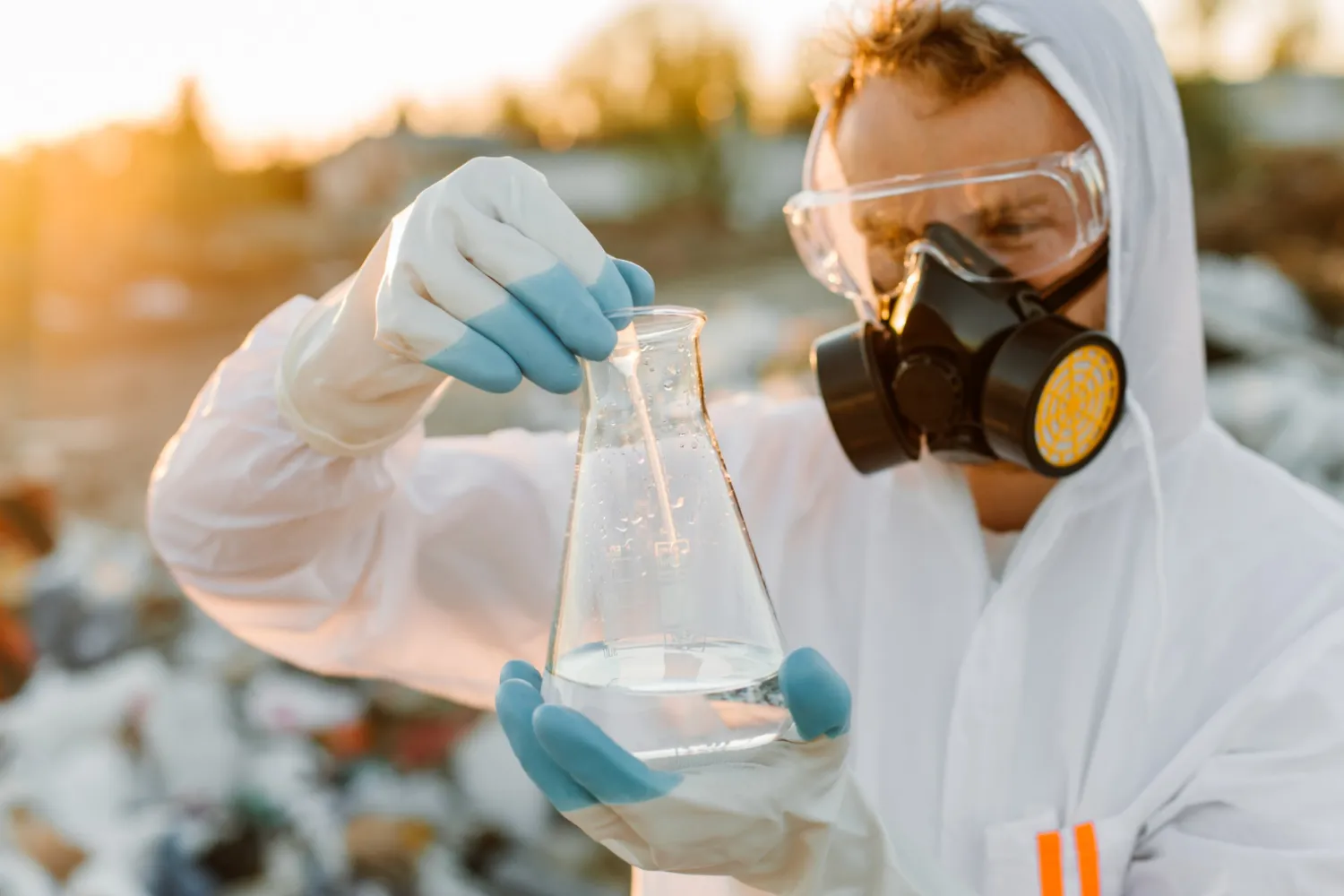
Safety in the medical field is crucial but sometimes the most serious risks are hidden from view. In hospitals, labs and clinics chemical contamination is a silent danger that can harm patients, employees and the environment. Improper handling or exposure to disinfectants, sterilizing agents, lab reagents and pharmaceutical chemicals can result in major health risks, legal problems and business interruptions.
In this blog we examine the hidden risks of chemical contamination, explain why it is becoming a bigger issue in the medical field and offer doable tactics to stop exposure and keep a safe, effective and legal environment.
Table Of Contents:
Chemical Contamination Definition
The unwelcome presence of dangerous chemicals on tools surfaces or in the air is known as chemical contamination. Hospitals, labs and pharmaceutical settings are where this mostly happens.
When disinfectants, sterilization chemicals, lab reagents and pharmaceutical chemicals are used incorrectly chemical contamination may result. This kind of contamination can impact environmental safety, patient safety, healthcare worker health and regulatory compliance.
A safe working environment and the prevention of unintended hazards are two reasons why identifying and controlling chemical contamination is a crucial aspect of healthcare operations.
What Are The Hidden Risks In Healthcare?
Laboratory chemicals:
- Chemical contamination can originate from a variety of chemicals used in laboratories.
- These consist of organic and inorganic compounds, analytical chemicals, HPLC-grade chemicals and lab reagents.
- Improper handling labeling or storage of these chemicals can result in increased contamination.
- This can lead to contamination of the air surfaces and equipment which can affect operational efficiency and raise safety concerns for patients and laboratory personnel.
Formaldehyde:
- Particularly in pharmaceutical and medical physics labs formaldehyde is a chemical that is frequently used.
- Hard surface cleaning, sample preservation and sterilization are its applications.
- Nevertheless if formaldehyde is discharged into the air on surfaces or in equipment it may result in health issues.
- After prolonged exposure it can lead to eye damage, allergies , respiratory issues and occasionally even cancer.
- Formaldehyde must therefore always be handled carefully have enough ventilation and be protected by personal protective equipment (PPE)
Pesticides:
- In laboratories and healthcare facilities pesticides are occasionally used particularly to keep hygienic conditions and control pests.
- However chemical contamination may result from their needless use.
- Healthcare personnel may experience respiratory issues, skin reactions, eye irritation and occasionally major health risks due to pesticide contamination in the air on surfaces and on equipment.
- Therefore when using pesticides care should be taken making sure to use personal protective equipment (PPE) and the recommended dosages.
Surgical Smoke:
- When cutting devices, coasters and multimedia surgical instruments are used in specific surgical procedures surgical smoke also known as disease- and chemical-laden smoke is created.
- There are microorganisms, fine particles and chemical contaminants in this smoke.
- Air pollution, respiratory issues, allergies to the eyes and skin and prolonged exposure can all result in major health problems.
- Therefore it is crucial to use personal protective equipment (PPE) and air extraction systems to control surgical smoke.
Cleaning and Disinfecting Agents:
- One of the main sources of chemical contamination is the chemicals used in labs and hospitals for cleaning and sterilization.
- These consist of alcohol-based disinfectants, quaternary ammonium compounds and hypochlorite solutions.
- When these chemicals are used improperly in excess or without following safety precautions they can contaminate surfaces equipment and the air.
- They can also cause respiratory issues, skin allergies and eye irritation in healthcare personnel.
- Therefore using personal protective equipment (PPE) and handling cleaning chemicals in the recommended amounts are crucial.
Anesthetic Gases:
- Hospitals frequently use anesthetic gases during surgery but this can contaminate the air with chemicals.
- Ascorbyl nitrous oxide and sevoflurane are among the gases that are continuously present in the air and can harm patients and employees if they are present in unfavorable conditions.
- Extended exposure can result in : respiratory issues, brain disorders and headaches.
- In milder cases mental disorders can develop.
- Consequently the use of air extraction systems and the appropriate personal protective equipment (PPE) to control anesthetic gases is required.
Sterilants:
- One of the main sources of chemical contamination in hospitals and labs is the use of sterilisants to clean equipment.
- These consist of strong substances like ethylene oxide glutaraldehyde and PHM.
- They have the potential to pollute the air and surfaces when used improperly excessively or without the use of new technology.
- Utilizing personal protective equipment (PPE) , handling sterilizers safely and recovering door-to-door are therefore crucial.
Cytotoxic Drugs:
- The use of cytotoxic medications in medical facilities and pharmaceutical labs can result in significant chemical contamination.
- They are mainly used for cancer treatment diagnostic tests and laboratory research.
- Consequently it is crucial to prepare spill kits using full PPE (Personal Protective Equipment) , store them properly and provide training.
- In order to ensure safety, reliable suppliers such as Saffron Chemicals offer safe cytotoxic products and guidelines.
Mercury:
- Certain laboratory and medical equipment contains heavy metal mercury.
- On surfaces or in the air however mercury can lead to chemical contamination if it is not controlled.
- Mercury exposure can cause respiratory issues, skin and eye conditions.
- Observing these rules is crucial.
- Only by following the instructions given by reliable vendors like Saffron Chemicals can safety be guaranteed.
How To Prevent Risks In The Healthcare Sector?
- Every chemical should be kept in a specific location with double-label security.
- Healthcare personnel should receive training on emergency procedures PPE use and safe chemical handling.
- Use lab coats, gloves, goggles and masks to prevent contamination of the air surfaces and equipment.
- In spaces like operating rooms and labs make use of extraction systems fume hoods and air exchange.
- To find possible contamination check surfaces equipment and storage areas every day.
- Observe OSHA ISO and central health agency regulations.
- Assemble emergency protocols, a chemical spill kit and soft training.
- For medical settings use chemicals that adhere to the highest safety standards in the world.
FAQ
Some of the usual causes of chemical pollution in hospitals are cleaning agents, sterilants, laboratory reagents, anesthetic gases, and cytotoxic drugs. Poor usage or disposal of these chemicals may cause air and surface contamination, which impacts on the safety of patients and staff. The high-quality and safety certified products of reputed suppliers such as Saffron Chemicals used would reduce chances of contamination within the medical setting.
In order to avoid chemical contamination, healthcare facilities must observe strict safety measures- this is done by ensuring that chemicals are kept in a good place, offering PPE training and by use of air extraction or ventilation system. Frequent checks and surface test, and collaboration with reputed chemical suppliers such as Saffron Chemicals will help in adherence to OSHA and ISO safety standards and keep the environment free of contamination.
The proper supplier of chemicals is critical in ensuring quality and safety in healthcare facilities. Other reputable companies such as Saffron Chemicals stocks, medical-grade disinfectants, sterilants, and laboratory chemicals that are internationally safe. Their products minimize exposure risks, provide stable performance, as well as enhancing regulatory compliance in hospitals, labs, and pharmaceutical units.