
Microbiological Culture Media Storage for UAE Labs
A batch of tryptone soy agar plates left on a loading dock in Sharjah during August will start losing moisture within hours. That’s the reality behind microbiological culture media storage in the UAE. Heat and humidity work against media quality long before a technician opens the pack, and getting storage right protects test accuracy from the moment media arrives at the lab.
How Culture Media Shelf Life Actually Works
Every batch of microbiological media, whether dehydrated powder or a ready-to-use plate, carries an expiry date set by the manufacturer after stability testing. That date assumes the media was stored the way the certificate of analysis describes. Once conditions drift outside that range, the printed expiry stops being a reliable guide.
Saffron Chemicals supplies both dehydrated media for custom preparation and ready-to-use plates and broths built for faster testing turnaround. Each batch ships with documentation covering intended use and expected performance, which gives labs something concrete to check storage against rather than guessing.
Shelf life isn’t a single fixed number either. It shifts depending on the formulation, the packaging, and whether the container has already been opened. Selective media with added antibiotics or dyes tend to have a shorter usable window than a simple nutrient agar, since some of those additives break down faster once exposed to heat or light. A technician working across several media types in one fridge needs to track expiry per batch, not by a single blanket rule for the whole shelf.
Microbiological Culture Media Storage Conditions That Actually Matter
Dehydrated Powder Versus Ready-to-Use Plates
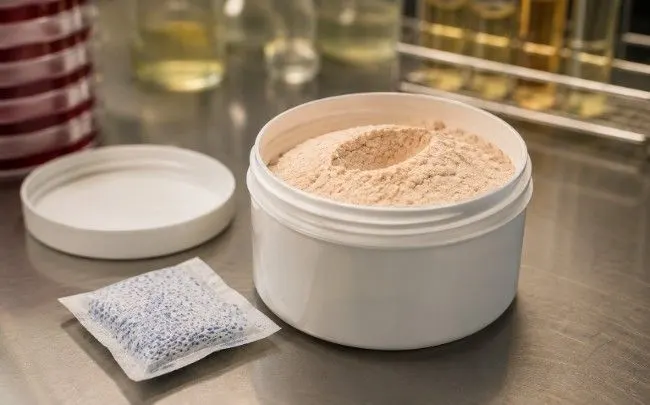
The two formats need different handling. Dehydrated media should sit below 30°C in a dry, dark cabinet, tightly resealed after each use, ideally with a desiccant sachet inside the container once opened. Left loose in a warehouse during summer, powder can absorb enough ambient moisture to start caking within weeks.
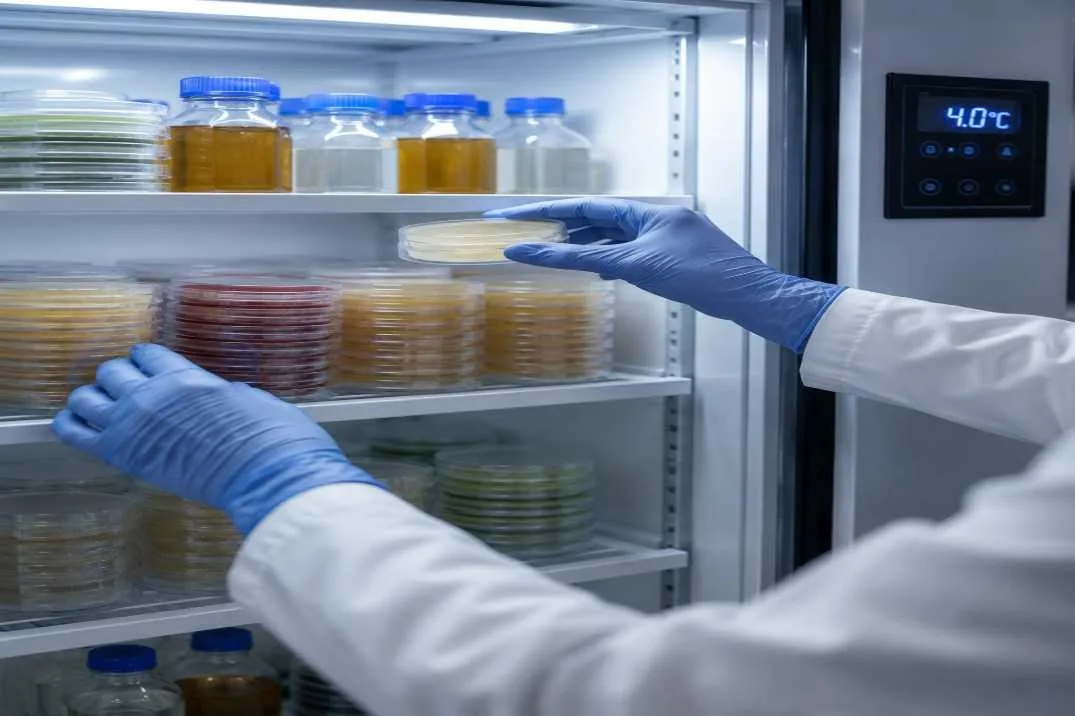
Ready-to-use plates and tubes are more time-sensitive in a different way. They arrive already poured and sterile, so their shelf life depends entirely on an unbroken cold chain from supplier to lab fridge. A few hours sitting at ambient warehouse temperature during transit is rarely enough to ruin a batch outright, but repeated temperature swings shorten usable life faster than a single excursion would.
Packaging plays a bigger role than most technicians realize. Plates sealed in individual sleeves hold moisture and sterility longer than plates stacked loose under a single wrap, since one damaged seal in a shared pack can expose the whole stack to airborne contaminants. Checking that seals are intact on arrival takes seconds and catches damage before it becomes a wasted test run.
Storage Mistakes Common in Gulf Laboratories
Power interruptions are the one variable most labs underestimate. A fridge that loses power for even thirty minutes during a UAE summer afternoon can push internal temperatures well past 8°C before anyone notices. Backup power or a logged temperature alarm catches this before an entire batch is compromised.
Direct sunlight through a lab window is another quiet problem. Some media components are light-sensitive and degrade with prolonged exposure, which is why opaque storage containers and closed cabinets outperform open shelving near windows. Stacking plates too tightly in a fridge also restricts airflow, creating pockets of uneven temperature that a thermometer on the door won’t catch.
Delivery timing adds a UAE-specific wrinkle. Chemicals and media ordered during peak summer months can sit on a delivery vehicle for longer than expected if a route runs behind schedule, and a lab that doesn’t ask its supplier about cold-chain handling during transit is trusting that step blindly. Confirming how a supplier packs and transports temperature-sensitive media, not just how they store it in their own warehouse, closes a gap many procurement checklists skip entirely.
Quality Checks Before Use
Before pulling media for a test run, a quick visual check saves time later. Discoloration, visible contamination, cracked agar, or excess condensation inside the packaging are all reasons to pull a batch rather than use it. Cross-referencing the batch number against the certificate of analysis takes a minute and confirms the media hasn’t exceeded its documented shelf life.
Final Thoughts
Microbiological culture media storage work that rarely gets attention until a batch fails and a result comes back questionable. Checking fridge temperatures, keeping dehydrated powder sealed and dry, and logging batch numbers against expiry dates costs a few minutes a week. What does your lab’s current media storage routine look like, and where would a temperature log actually catch a problem before it reaches the bench?
FAQ
Depends heavily on the format. Ready-to-use plates typically hold up for four to six weeks under proper refrigeration, while sealed dehydrated powder can last years if kept cool and dry. Once a powder container is opened, moisture exposure becomes the real clock, not the printed date.
No, and this trips up a lot of newer technicians. Freezing cracks the agar gel and disrupts its structure, which changes how well it supports microbial growth. Standard refrigeration between 2°C and 8°C is the correct range for prepared plates, not the freezer.
A short outage during a UAE summer can push internal temperatures past the safe range faster than most people expect. Check a logged thermometer reading if available, and treat any batch that sat above 8°C for an extended period as suspect rather than assuming it’s fine.
Powdered media is hygroscopic, so it draws moisture straight from the air in a humid climate. A desiccant sachet inside the resealed container slows that absorption and helps prevent the caking and clumping that signals a compromised batch.
For anything approaching its expiry date, yes. The COA lists the batch number, intended storage conditions, and expected performance, so a thirty-second check against your fridge log confirms the media hasn’t drifted outside the conditions the manufacturer tested it under.